
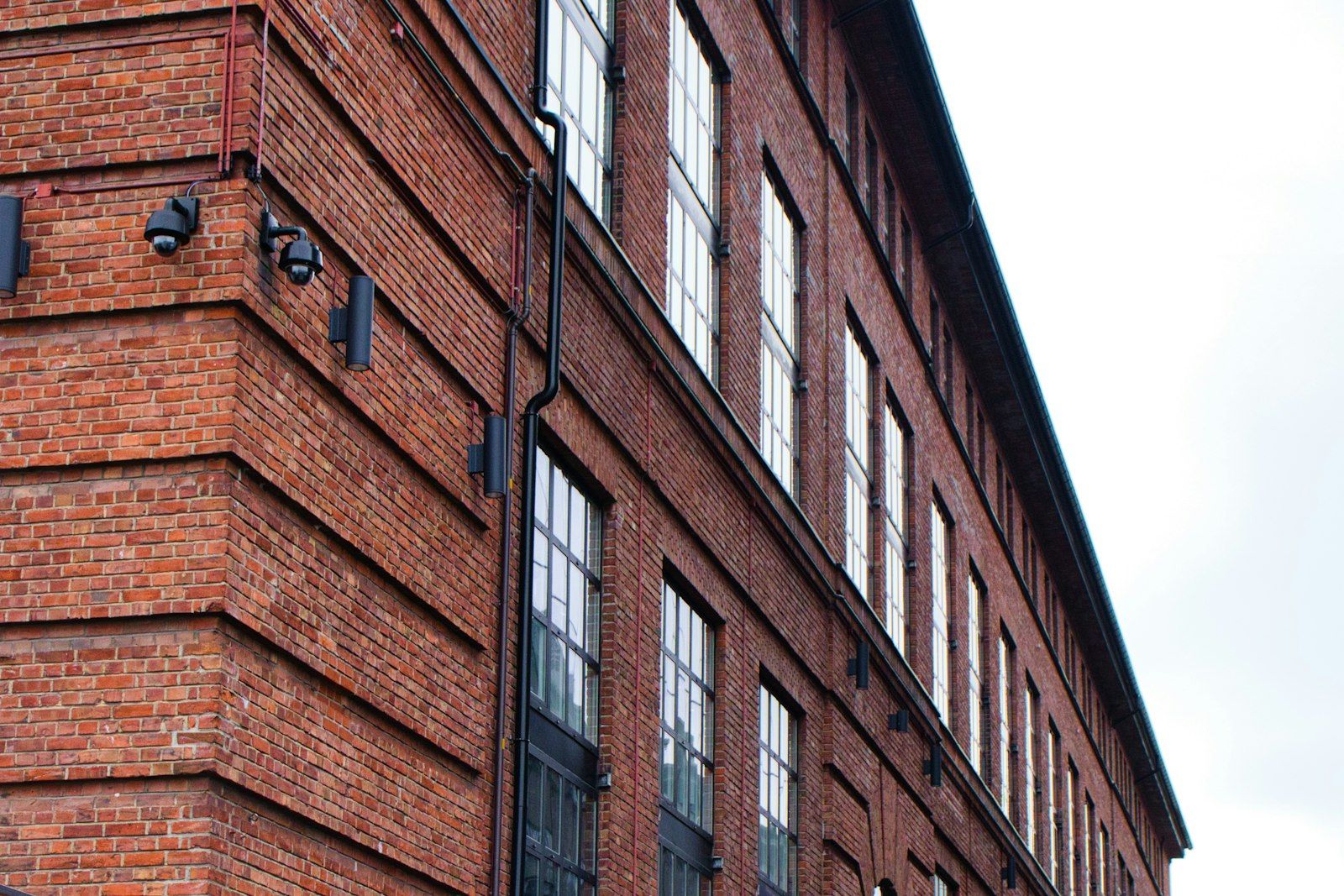
Commercial to residential conversion warranties
Structural warranty cover for pubs, shops, warehouses, mills and other commercial buildings turned into homes - including schemes with shops kept at street level.
- Instant response
- Insurer quotes usually within one working day of your proposal
- UK FCA Regulated Broker
- Change of use specialists
- A certificate for each home
Change of use
Structural warranty for a change of use to homes
Commercial buildings were designed for trade, storage or manufacturing. Converting one into homes changes what the structure is asked to do - new floors and partitions, new window openings, kitchens and bathrooms on every level and people living in spaces that were built for goods and machinery.
A change of use warranty has to cover the new homes and take a view on the building they sit in. The provider will want a structural condition survey of the existing building, the engineer's design for the alterations and a clear picture of how the finished building will be used.
In England, Class MA permitted development covers some changes from commercial, business and service uses to homes, subject to prior approval. Not every use falls within it, and many schemes go through full planning. Scotland, Wales and Northern Ireland have their own rules. That is a question for your architect or planning consultant - we do not give planning advice.
Building types
Commercial buildings we arrange conversion warranties for
Each type of building brings its own questions. These are the ones providers tend to ask about first.
Pubs
Often altered and extended many times over, with cellars, mixed construction and living space already above. The survey needs to untangle what is original and what was added.
Shops
Flats created above and behind shops, shopfronts replaced and upper floors brought back into use, often with a commercial unit kept at street level.
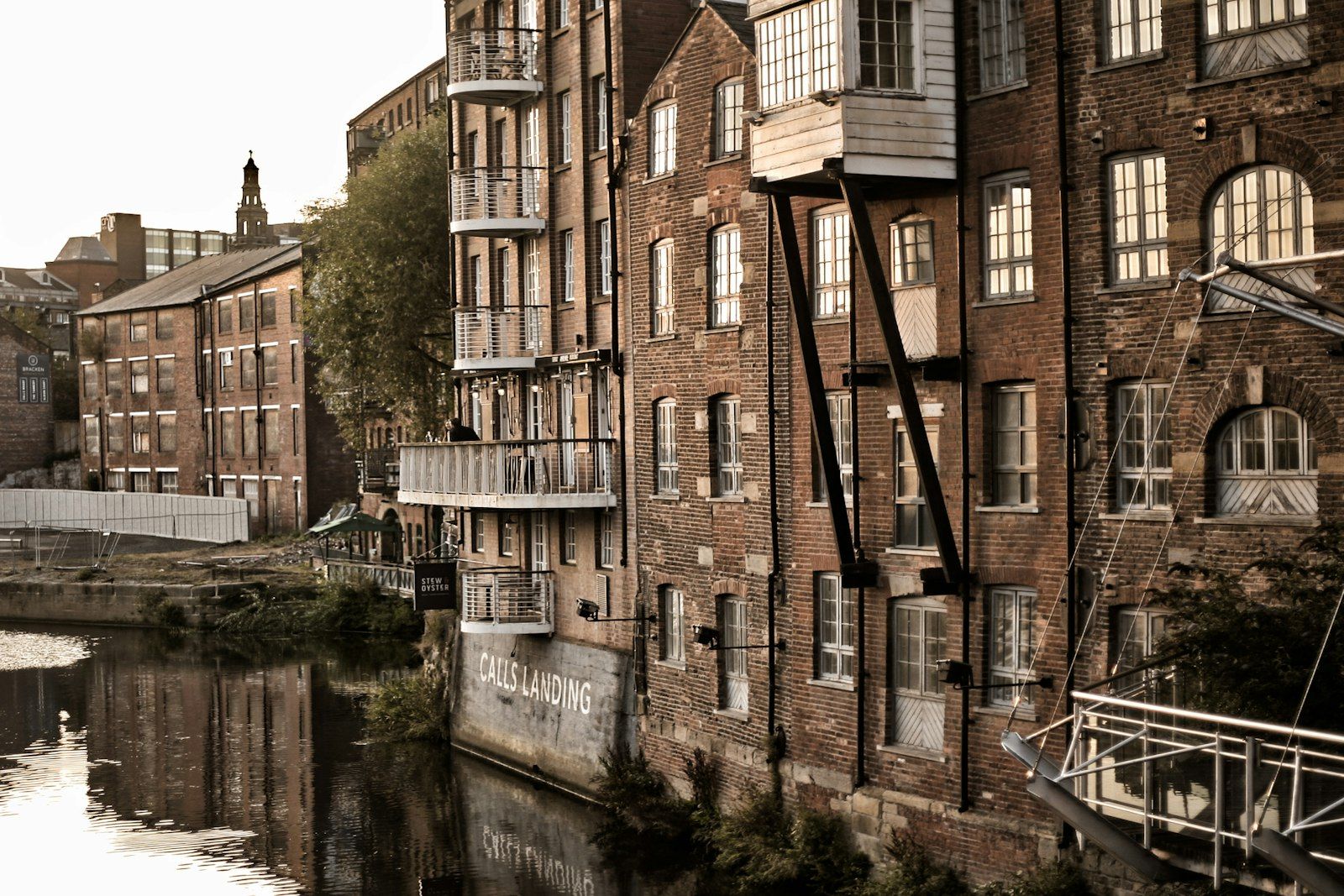
Warehouses
Large spans, heavy floors and big roofs. New mezzanines, lightwells and window openings need careful design around the existing frame.
Mills
Tall masonry buildings, often with iron or timber internal frames. Their scale suits flats, but the condition of the frame and floors is central to the cover.
Banks, halls and schools
Solid, well built buildings that convert well, though large rooms and high ceilings usually mean new floors and structural alterations.
Offices
The most common commercial conversion of all, with its own page on office to residential warranties.
Mixed use
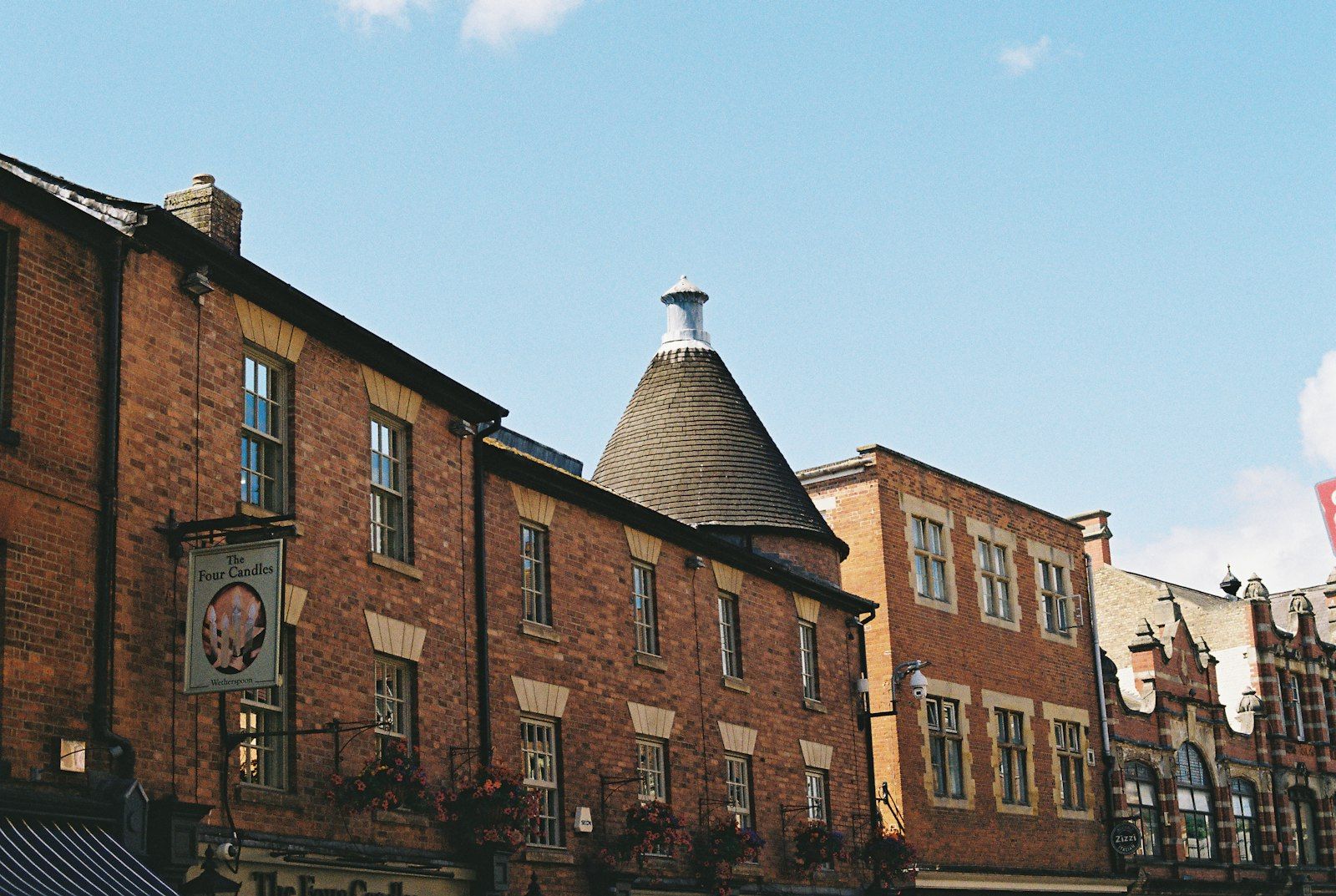
Keeping commercial space below the new homes
Many conversions keep a shop, bar or office at ground level with flats above. The homes get their own certificates in the usual way. The commercial space may be covered on different terms, covered separately or left out, depending on the provider and on what your funder and future tenants need.
Most mortgage lenders treat the new flats like new build homes and will want a warranty from a provider they accept, or in some cases a professional consultant's certificate. We check that before you commit, though each lender makes the final decision.
What we usually need to quote
- Planning permission or prior approval
- Architect's plans and elevations, existing and proposed
- A structural condition survey of the building
- Structural calculations, and a ground investigation where there is new foundation work
- Developer and contractor names, the number of units and the rebuild cost
Commercial to residential warranty questions
Do I need a structural warranty to convert a shop or pub into flats?
No law usually says you must have one, but if the flats will be sold to buyers who need a mortgage, most lenders will expect a structural warranty from a provider they accept, though some accept a professional consultant's certificate. Registering it before work starts keeps things simplest.
Can the flats be covered if the ground floor stays commercial?
Yes. The flats are certificated individually, and the commercial space can often be covered on different terms or separately. Tell us how the building will be used and we will set out the options.
Are the existing floors of an old warehouse or mill covered?
It depends on the provider and on the condition survey. The engineer needs to show the floors can carry their new use, and some elements may need repair or strengthening, or be excluded. See covering the existing structure.
What if the building has been empty for years?
Empty buildings can deteriorate quickly, through leaks, rot and missing maintenance. It does not rule out cover, but the condition survey becomes even more important and the provider may ask for repairs before work starts.
Get a quote for your change of use
Tell us what the building is now and what it will become. We will come back with the providers likely to cover it and what they will need to see.
- Takes under a minute
- Instant reply by email with your reference
- Insurer quotes usually within one working day of your completed proposal
- Conversions anywhere in England, Scotland, Wales and Northern Ireland
- Free and no obligation
Already filled in a proposal form? Email it to us or send it on WhatsApp with any drawings you have and we will take it from there.