
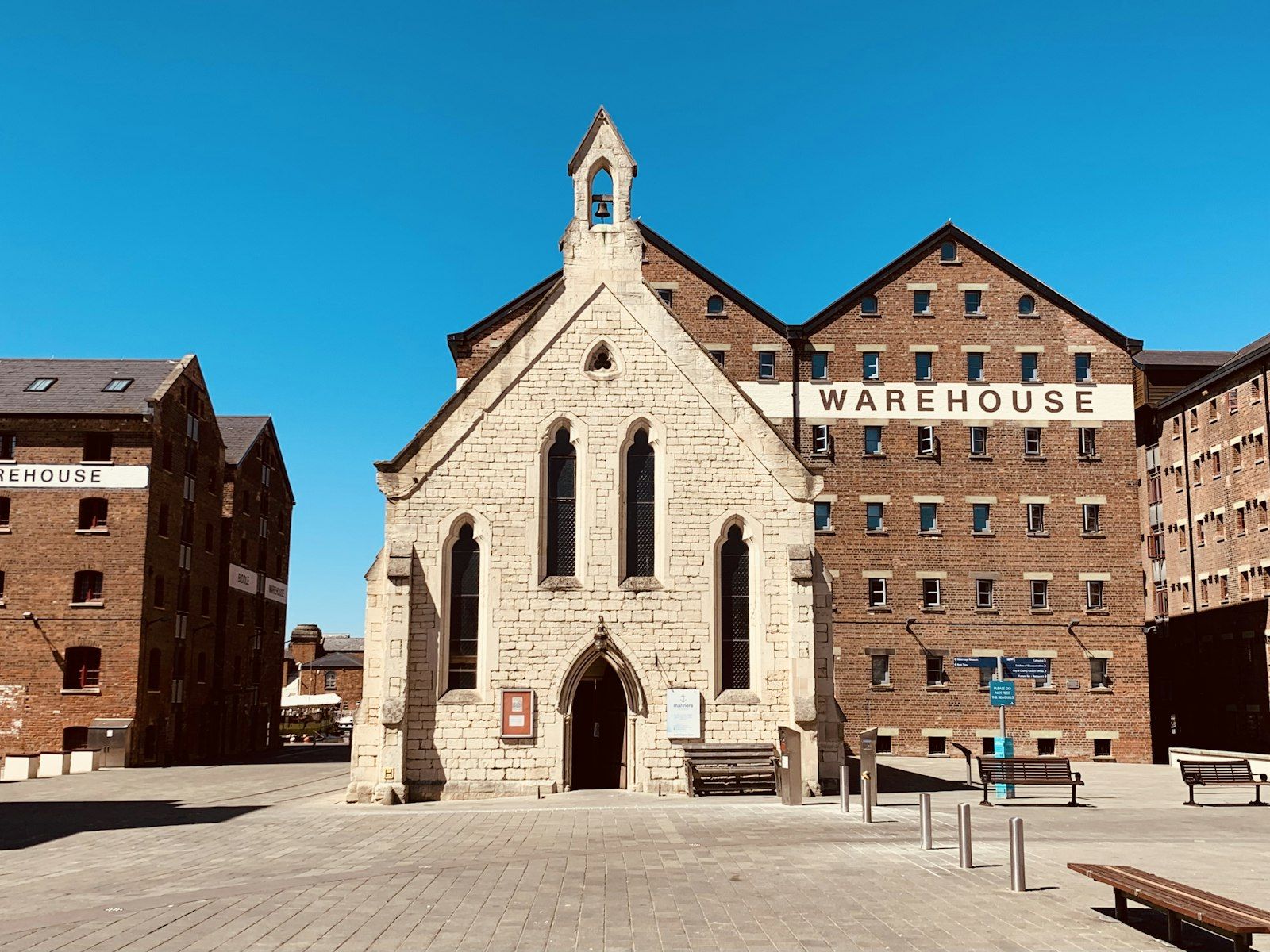
Listed building and church conversion warranties
Structural warranties for churches, chapels, schools and listed period buildings converted into homes - where the historic fabric must be understood before it is covered.
- Instant response
- Insurer quotes usually within one working day of your proposal
- UK FCA Regulated Broker
- Change of use specialists
- A certificate for each home
Historic buildings
Structural warranty for listed and historic conversions
Historic buildings make some of the most rewarding conversions, and some of the most demanding to insure. They were built with lime mortar, solid walls that need to breathe, timbers that have moved for centuries and foundations that would never be designed that way today.
Conservation usually means keeping, repairing and working with the original fabric rather than replacing it. That is exactly what a warranty provider has to get comfortable with before it offers terms, and it is why experience of historic buildings matters on both sides - in the team doing the work and in the provider covering it.
We place these schemes with specialist underwriters who look at historic buildings regularly, and we help you present the building in the way they need to see it.
Consents
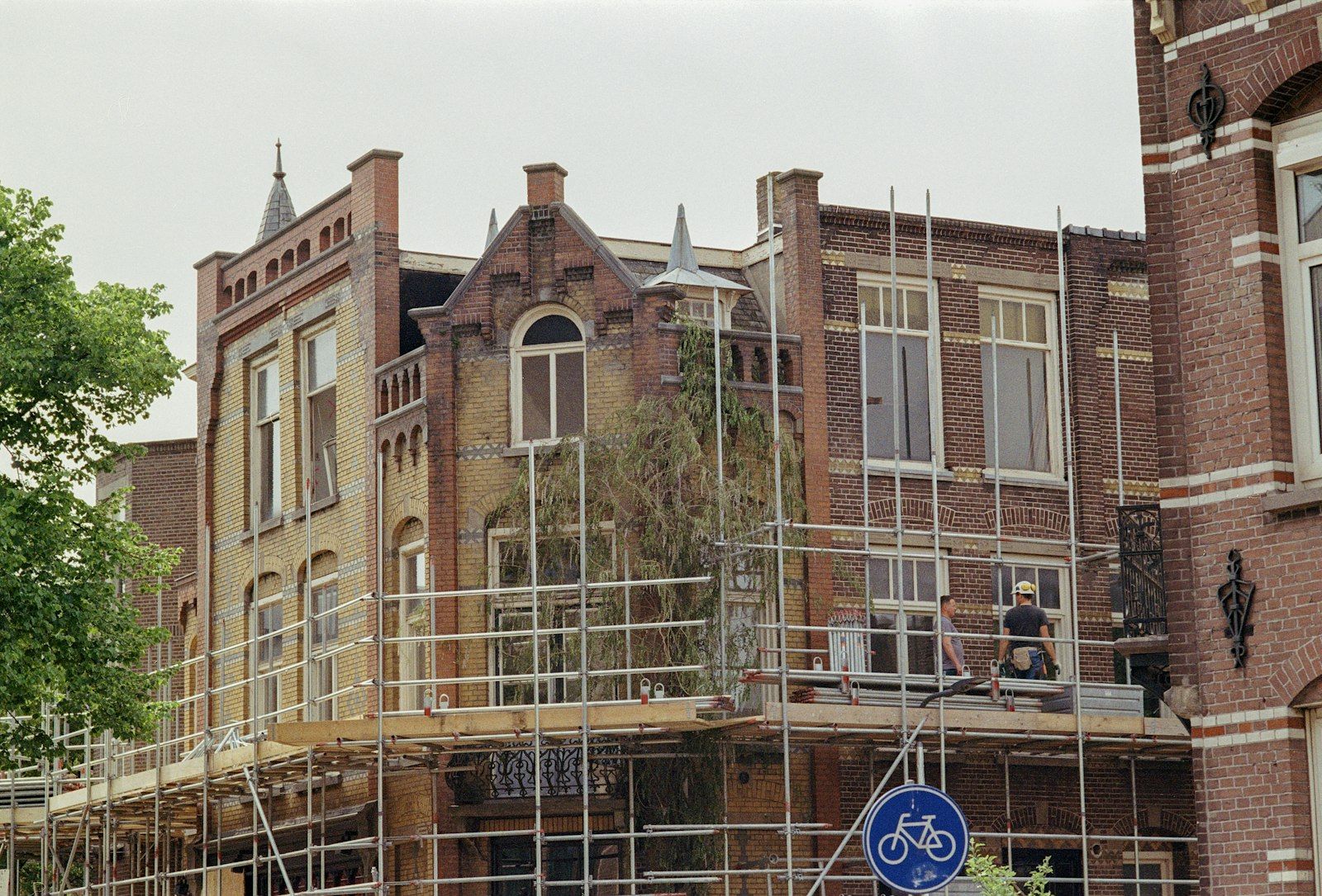
Listed building consent and the warranty
A listed building will usually need listed building consent as well as planning permission for its conversion, and a building in a conservation area may come with constraints of its own. These are questions for your architect, conservation specialist or planning consultant - we do not give planning advice.
The warranty provider will want to see that the consents are in place, and that the design respects the building while still meeting its technical standards. Sometimes the approach a conservation officer expects - lime rather than cement, a breathable wall rather than a sealed one - differs from what a provider would expect on a new build. Raising that early, with the specification to back it up, avoids surprises at inspection.
Churches and chapels
What a church conversion brings to the warranty
Churches and chapels are converted into single homes and into groups of flats. Their scale and construction raise questions a provider will want answered.
Big open volumes
New floors and mezzanines inserted into a nave put load onto old walls or onto a new internal frame. The engineer's design needs to show which, and how.
Towers and spires
Whether a tower or spire is part of a home, part of the shared structure or left out, its condition and access for future repairs need to be understood.
Large historic roofs
Long span timber roofs, slate and lead coverings and gutters hidden behind parapets all need checking before they are asked to protect homes.
Traditional materials
Stone, lime and old timber behave differently from modern materials. The provider needs to see that the new work is compatible with them.

The survey
A condition survey that understands old buildings
A structural condition survey is generally expected on a conversion, particularly where historic fabric is kept, and on a historic building it is worth having one from someone who knows traditional construction. The provider will use it to decide how far the existing structure can be covered.
- Some elements may be covered once repairs are done and signed off
- Some may need further investigation or specialist reports first
- Some may be excluded from the cover altogether
How much of the existing structure is covered depends on the provider and on what the survey finds. See covering the existing structure for how it works.
Listed building and church conversion questions
Can you get a structural warranty on a listed building conversion?
Yes, in many cases. Some providers are experienced with listed and historic buildings and will consider them after reviewing the condition survey and the design. Some elements of the original fabric may be excluded or need repair first.
Will conservation requirements clash with the warranty provider's standards?
Occasionally the two pull in different directions. Providers used to historic buildings will usually accept traditional methods such as lime mortar when they are properly specified, so it helps to raise them before work starts.
Do mortgage lenders want a warranty on a converted church or listed building?
Usually, yes. Most lenders treat a newly converted home much like a new build and expect a structural warranty from a provider they accept, whatever the age of the building.
Can a church converted into several flats be covered as one scheme?
Often, yes. The scheme can usually be registered and inspected as one, and each flat receives its own certificate when it is complete.
Get a quote for your historic conversion
Tell us about the building, its listing and your plans. We will come back with the providers likely to cover it and what they will want to see.
- Takes under a minute
- Instant reply by email with your reference
- Insurer quotes usually within one working day of your completed proposal
- Conversions anywhere in England, Scotland, Wales and Northern Ireland
- Free and no obligation
Already filled in a proposal form? Email it to us or send it on WhatsApp with any drawings you have and we will take it from there.