
HMO and flat conversion warranties
Structural warranties for residential to residential conversions - houses split into flats, flats reconfigured and homes converted into houses in multiple occupation.
- Instant response
- Insurer quotes usually within one working day of your proposal
- UK FCA Regulated Broker
- Change of use specialists
- A certificate for each home
Residential to residential
Structural warranty for flat splits and HMOs
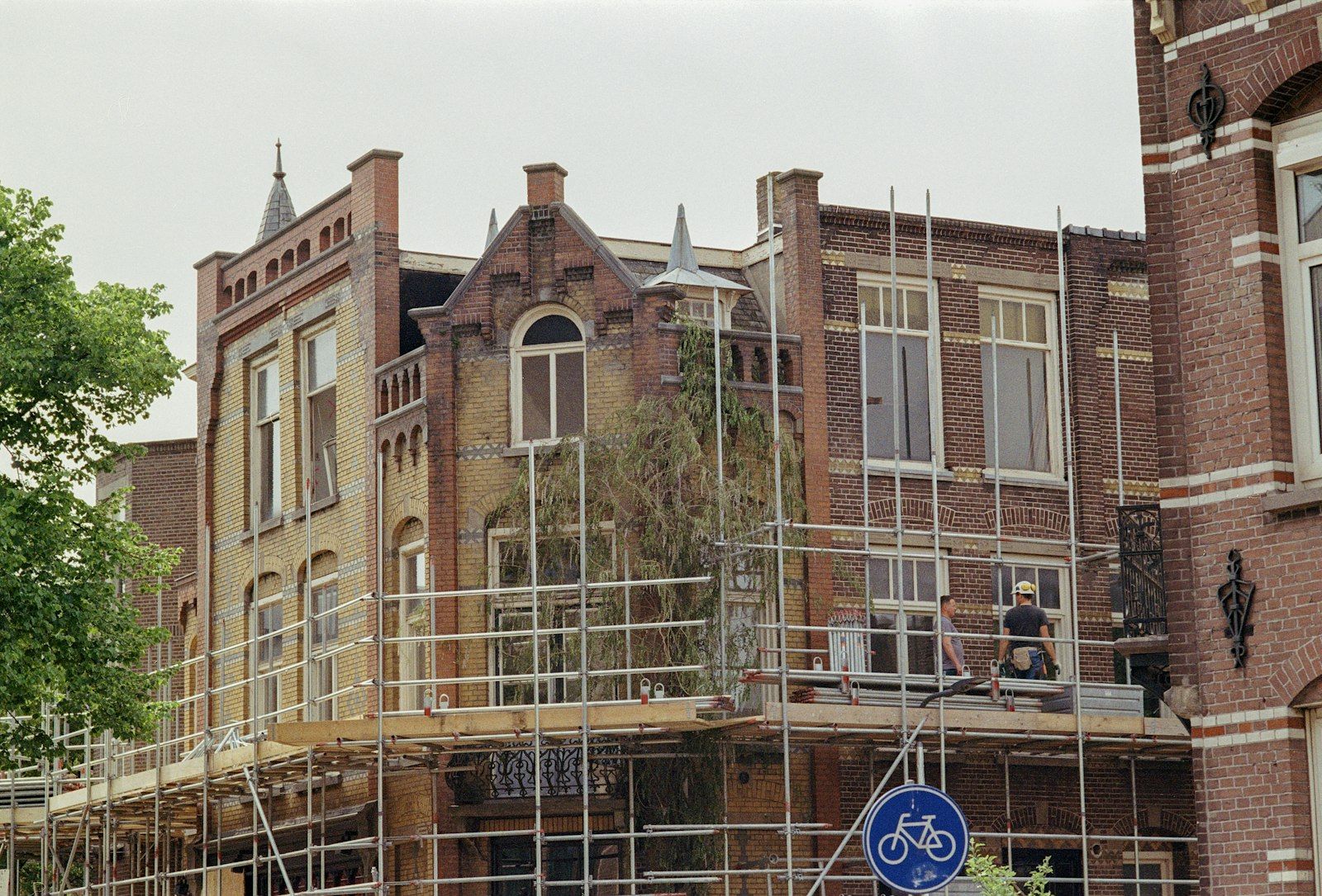
Turning one home into several is one of the most common conversions there is. Large Victorian and Edwardian houses are split into flats, flats above shops are reworked, and family homes become houses in multiple occupation. The building is already residential, but the changes are often bigger than they look from the street.
New separating floors and walls go in, staircases move, lofts and basements become living space and walls come out to be replaced by steel beams. Each of those changes puts the old structure to work in a new way, and a warranty provider will want to see how it has been designed and built.
Once a building is divided and the flats are sold, each buyer's mortgage lender will usually want a structural warranty from a provider it accepts. Each flat is normally certificated individually, so each buyer, their lender and their conveyancer has a document of their own. A building kept as one HMO rather than sold as flats is usually covered as one property.

What providers look at
Where a flat conversion needs most attention
These are the areas a warranty provider usually focuses on when a house is divided or remodelled.
Separating floors and walls
Fire and sound separation between flats is a building control matter, and providers look closely at it too, especially in timber floored period houses.
Steel beams and removed walls
Openings made in load bearing walls need an engineer's design and calculations, and the provider will want to see how the loads now reach the ground.
Lofts and dormers
New rooms in the roof change how the roof structure works and add weight to walls that were never designed for it.
Basements
Lowered floors and new basement flats bring waterproofing and underpinning into play - areas providers treat with particular care.
Extensions
Rear and side extensions tied into the old house need new foundations, and sometimes a ground investigation.
Shared structure
The roof, foundations and outside walls are shared by every flat, so their condition matters to every buyer in the building.
Houses in multiple occupation
Warranties for HMO conversions
An HMO is usually kept and let rather than sold room by room, so the push for a warranty tends to come from the investor's funder rather than from a buyer's lender. Some development and investment lenders ask for one, and a warranty can also make the building easier to refinance or sell later on.
Not every provider covers HMOs, and those that do may look at the layout, the number of occupants and the standard of the work. We know which are likely to consider your scheme and what they will want to see.
Planning permission and HMO licensing are separate from the warranty. They are for your architect, planning consultant and local council - we do not give planning or licensing advice.
What we usually need to quote
- Planning permission, and the architect's plans and elevations as existing and proposed
- A structural condition survey of the existing house
- Structural calculations for beams, lofts, basements and extensions
- The number of flats or rooms, their sizes and the total rebuild cost
- Developer and contractor names, and building control reports if work has started
Flat conversion and HMO warranty questions
Does each flat in a conversion get its own warranty certificate?
Normally, yes. Each flat is certificated individually once it is complete, so each buyer, their mortgage lender and their conveyancer has a certificate for that flat.
Do I need a structural warranty to convert a house into an HMO?
There is usually no law that says you must have one. Whether you need one tends to depend on how the property is funded and whether you plan to sell. Some lenders ask for one, so it is worth checking before work starts.
Is a warranty worth it for a small flat split of two or three flats?
If the flats will be sold to buyers with mortgages, you will usually need one. Minimum premiums and fixed inspection fees mean small schemes can cost more as a percentage of the rebuild cost. See conversion warranty costs.
Can a new basement or loft flat be covered?
Usually, yes, as part of the conversion. Providers pay close attention to basement waterproofing and to the structure around new loft rooms, so the design and the engineer's calculations matter.
Get a quote for your flat conversion
Tell us about the house and how it is being divided. We will come back with the providers likely to cover it and what they will want to see.
- Takes under a minute
- Instant reply by email with your reference
- Insurer quotes usually within one working day of your completed proposal
- Conversions anywhere in England, Scotland, Wales and Northern Ireland
- Free and no obligation
Already filled in a proposal form? Email it to us or send it on WhatsApp with any drawings you have and we will take it from there.