
Covering the existing structure of a conversion
The part of a conversion that makes it different from a new build. How warranty providers assess the walls, frame, floors and roof you inherit, and what that means for your latent defects cover.
- Instant response
- Insurer quotes usually within one working day of your proposal
- UK FCA Regulated Broker
- Change of use specialists
- A certificate for each home
Old and new
Two kinds of structure, one warranty
On a new build, the provider's surveyor can see everything from the foundations up. On a conversion, much of the structure went up long before anyone thought about a warranty. Nobody inspected the foundations when they were dug, and parts of the building may have been hidden for decades.
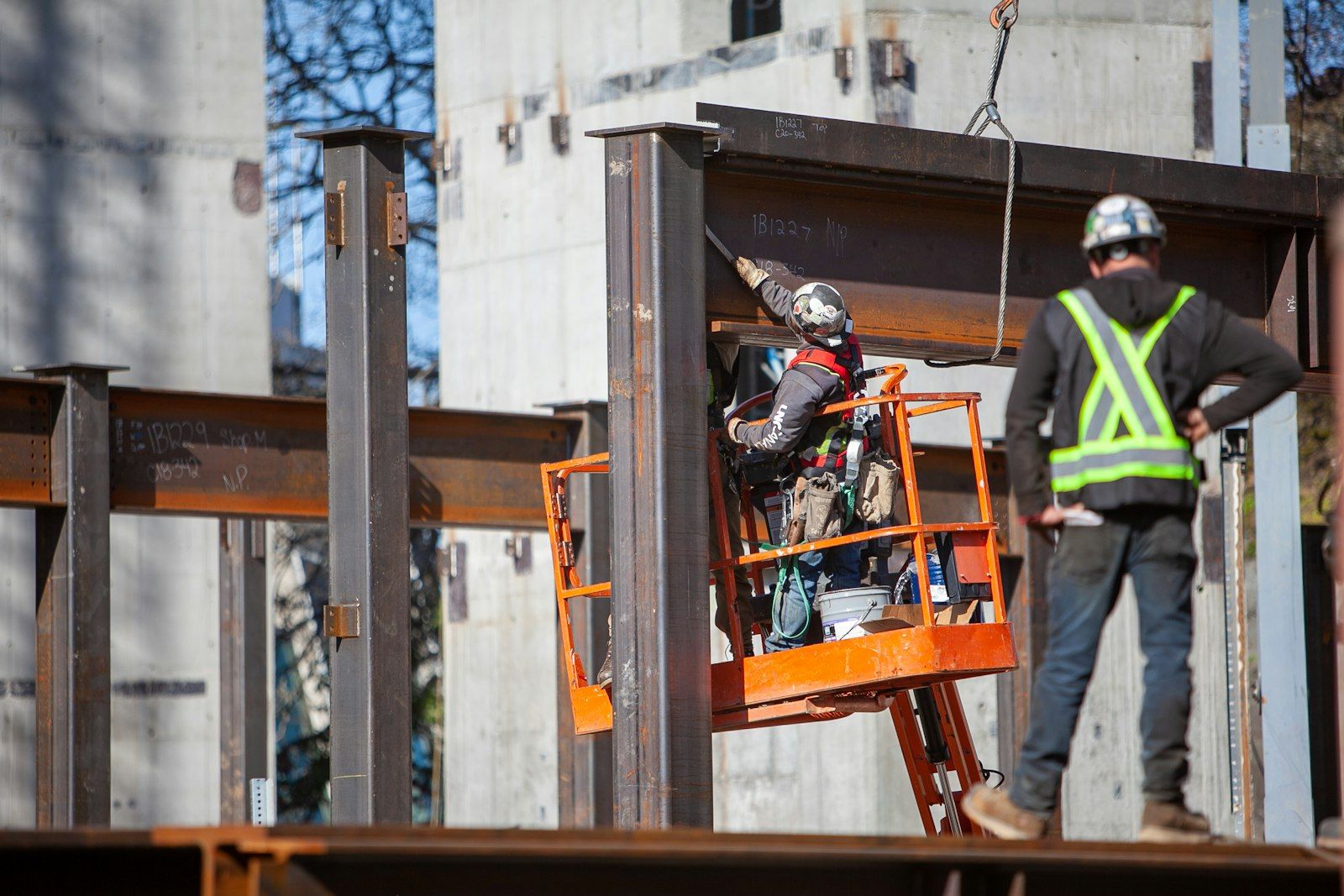
So providers treat the two differently. New work - new floors, extensions, new roofs and structural alterations - is usually inspected much as it would be on a new build. The existing structure is assessed mainly through a structural condition survey, backed up by what the provider's surveyor can see on site.
How much of the existing structure ends up covered depends on the provider and on what the survey finds. The policy wording, schedule and any endorsements set out exactly what is included, and the certificate confirms the cover for each home.

The condition survey
What a structural condition survey should look at
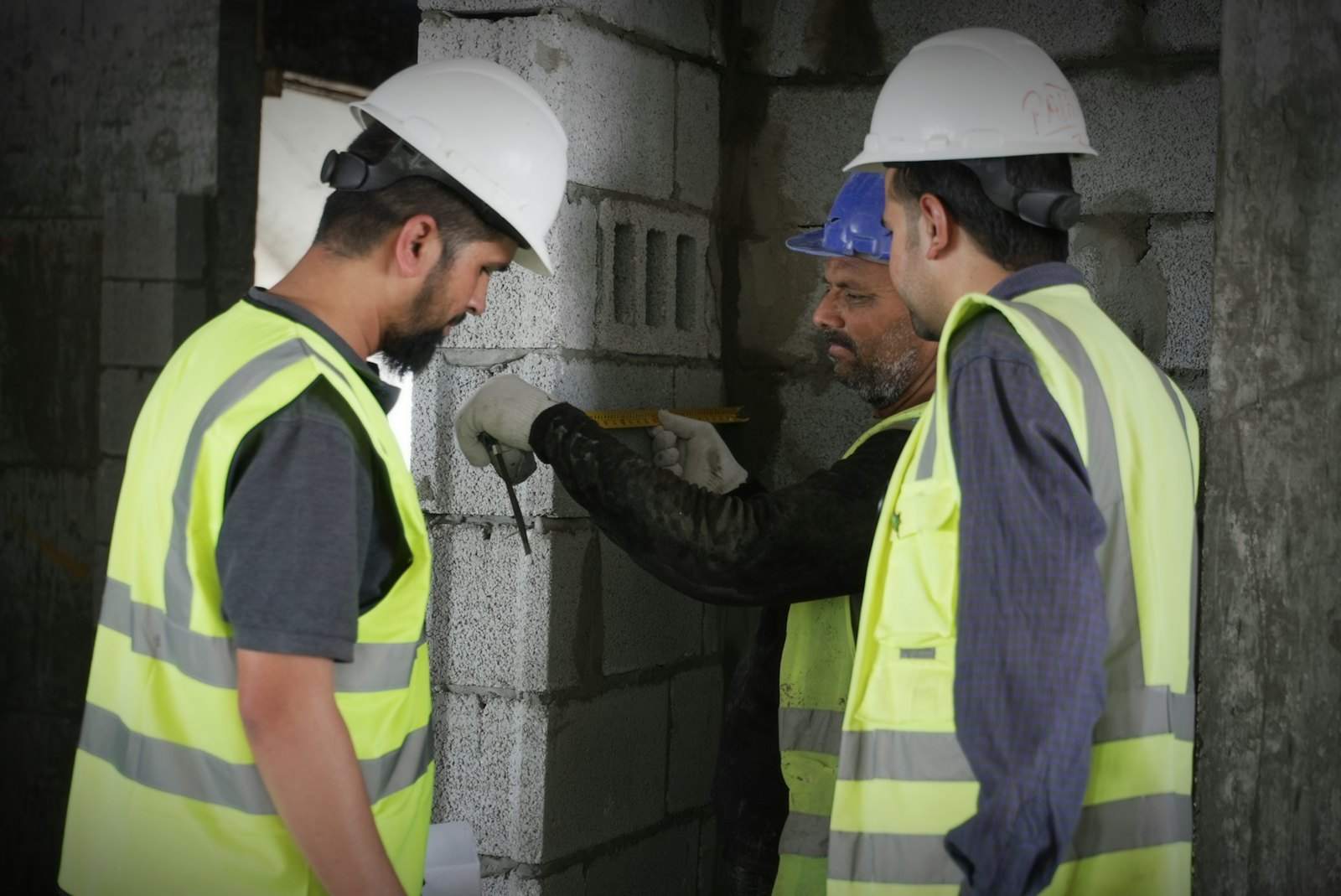
The survey is the most important document on a conversion. It is usually carried out by a structural engineer, and some providers have their own requirements about who does it and what it covers. A good survey typically looks at:
- the foundations, with trial pits where the engineer needs to see them
- the walls or frame - cracking, bulging, movement and past repairs
- the floors, and whether they can carry their new use
- the roof structure and coverings
- damp, rot and insect attack in timbers
- drainage and the ground around the building
It should end with clear recommendations - what can stay as it is, what needs repair and what needs more investigation.
What the provider decides
Four ways an existing element can be treated
Once the provider has reviewed the survey, each part of the existing building usually falls into one of these groups. We set out what the provider proposes before you commit to anything.
Covered
Elements in good condition that are suitable for their new use are included in the cover alongside the new work.
Covered after work
Some elements are included once repairs, strengthening, underpinning or replacement have been done and inspected.
More investigation first
The provider may want opening up, testing or specialist reports - on timber, damp or concrete, for example - before it decides.
Excluded
Some elements may be left out of the cover altogether. Any exclusion is written into the terms, so you and your buyers can see it.
Timing
Get the survey and the warranty lined up before you start
Cover should be registered before work starts on site. On a conversion that matters even more than usual, because the provider may want to see the building before it is stripped out, or at a point where the structure is exposed and easier to judge. Once new linings go up, the old structure is hidden again.
If you are planning a soft strip, ask us first. Some providers prefer to see the building at that stage and others do not mind, and it is far easier to agree it beforehand than to open things up later. Already started? Some providers will still consider the scheme, and our sister brand Retrospective Warranties specialises in cover after work has begun.
Existing structure questions
Who should carry out the structural condition survey for a conversion?
Usually a structural engineer with experience of the type of building you are converting. Some providers have their own requirements about who carries it out and what it must cover, so check with us before you commission one.
Can the existing foundations be covered?
Often, yes, if the survey shows they are adequate for the new loads. The engineer may need trial pits to see them, and where they are not adequate the provider may ask for underpinning or new foundations first.
Will exclusions on the old structure put off buyers or lenders?
It depends what is excluded. We set out the provider's proposed terms before you commit, and sometimes an exclusion can be avoided by carrying out the recommended repairs so the element can be included.
Is the existing structure covered for the full 10 or 12 years?
It depends on the provider. Some cover the existing structure on the same terms as the new work once it has been assessed, while others treat it differently. The policy wording sets out the detail.
Talk to us about your building
Tell us what you are converting and whether you have a condition survey yet. We will come back with what providers are likely to need and how they tend to treat that kind of structure.
- Takes under a minute
- Instant reply by email with your reference
- Insurer quotes usually within one working day of your completed proposal
- Conversions anywhere in England, Scotland, Wales and Northern Ireland
- Free and no obligation
Already filled in a proposal form? Email it to us or send it on WhatsApp with any drawings you have and we will take it from there.